 855 road, broklyn street, new york
 888 999 0000
 Info@examplegmail.com


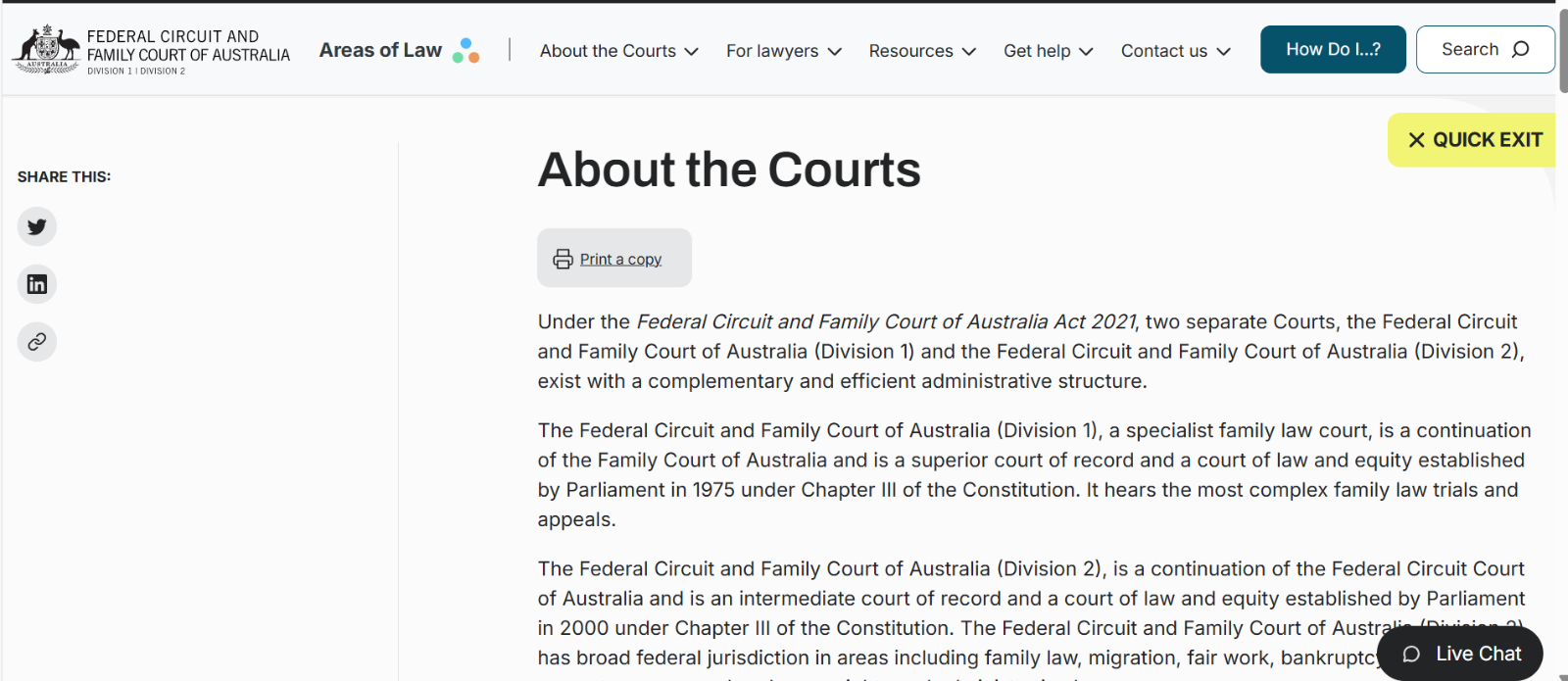

When dealing with Australian visas or family disputes, many people come across the name FCFCOA. But what exactly does it do? As a registered migration lawyer, let me give you a quick overview 👇
What is FCFCOA?
The full name is the Federal Circuit and Family Court of Australia (FCFCOA).
FCFCOA is divided into two divisions:
- Division 1: Mainly handles complex family law matters.
- Division 2: Deals with most family law matters and all other federal law matters. It is a continuation of the former Federal Circuit Court.
Main areas of responsibility include:
- Family Law Matters
- Divorce
- Parenting and visitation arrangements
- Property division and spousal maintenance
- Family violence orders
- Migration Matters
- Appeals of visa refusal or cancellation decisions from the AAT
- Judicial review of decisions made by the Department of Home Affairs
- Other Federal Matters
- Employment disputes
- Bankruptcy cases
- Human rights and discrimination matters
- Maritime law, copyright and other federal law issues
How did it come about?
Previously, Australia had two separate courts:
✔ Federal Circuit Court
✔ Family Court of Australia
To streamline processes and improve efficiency, the Australian Government merged them in 2021, creating the FCFCOA we have today.
How can it help you?
- If your visa has been refused or cancelled, and you’ve already appealed to the AAT or it’s not within the AAT’s jurisdiction, you may apply to the FCFCOA for judicial review.
- If you’re experiencing family disputes in Australia (e.g., divorce, child custody issues), this is the court to go to for legal support.
Timeframes
From lodgement to a scheduled hearing, the FCFCOA process typically takes 6 to 12 months, depending on the case type, complexity, judicial availability, and location.
The timeline usually involves several stages:
- Lodgement
- Case registration and file number allocation
- Exchange of evidence and case management
- First Court Date / Directions Hearing
- Final hearing or judgment
- Finalisation of the case
What does the applicant need to do?
🔹 Prepare your documents carefully: Provide supporting statements, evidence, and court documents based on your lawyer’s advice
🔹 Maintain lawful visa status: Ensure you hold a valid Bridging Visa to remain lawfully in Australia
🔹 Comply with court requirements: Respond to court directions on time, such as submitting affidavits or other written statements
🔹 Attend hearings if required: Whether online or in-person, always attend court sessions on time
🔹 Stay in touch: Maintain communication with your lawyer or representative to keep track of updates
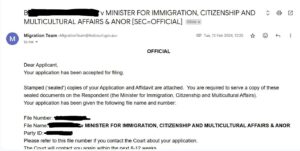
With our professional legal expertise and hands-on experience, our team has successfully helped clients appeal to the Federal Circuit and Family Court of Australia (FCFCOA) — offering them a new chance for success!
💡 Follow us for more migration tips and legal insights.
